Causes of mold and how mold damage is found in Boise homes
Causes behind harmful mold growth
Here are a few reasons why your residence might develop mold problems.
Minor leaks—drips and loosened pipe connections in your home’s plumbing create areas within your Boise home that are perpetually moist.
Condensation—areas with absorbent materials can collect humidity as temperatures change. Such items can harbor microbes and their spores.
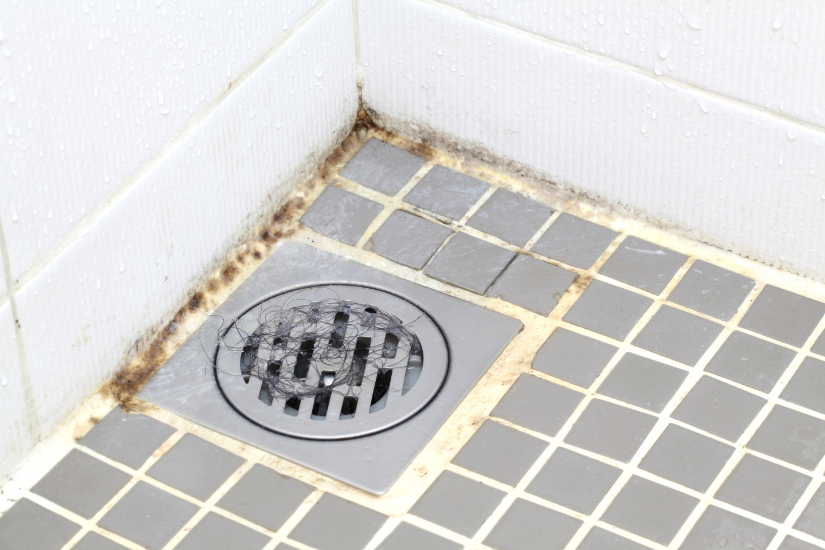
Repeated spills—bathrooms, kitchen sink areas, places where the family pet has their water, and other places where small amounts of water regularly end up soaking into your property’s building materials, providing food and moisture to destructive mold.
Reinfestation post-DIY jobs—after removal, mold often grows back because hyphae (roots) remain and spores are always present to some degree. They easily escape detection because of their microscopic size. Master Restoration Idaho’s technicians use specialized equipment to remove spores from the air and interior surfaces, in accordance with IICRC methods. We also use specialized, non-toxic treatments that mitigate mold and mildew from recurring. Most homeowners do not have access to these tools.
Excess moisture keeps microbes that create offensive-looking colonies well-fed and active. We eliminate their food source, thus controlling their population and inhibiting any future activity.
Discovering mold damage
Microbes rarely grow in open places where they are easily seen and detected. They are often hidden in darkened, sheltered locations. Even the cleanest homes can have a mold infestation. Direct sunlight, an arid environment, and either very little air flow or strong air currents within the home can prevent mold and mildew from becoming a problem.
Scent:
A musty and unpleasant odor can get many homeowners to search for its source. Mold gives off a distinctive and memorable odor. Every time spores are released, your family might notice the odor grows stronger. Common places people look include behind furniture, as well as under carpets or rugs.
Rearranging furniture:
Moving furniture from one area to another, replacing the carpet, or removing furniture pieces can lead homeowners to find previously hidden mold.
Remodeling jobs:
Controlled demolition, removing and replacing materials, or other work done on the inside of your home can unveil a mold infestation. Colonies need to be removed and the area remediated before the modeling work can continue.
Mitigation from other types of damage:
Sometimes, fire, water, or even flooding can be the catalyst that brings a homeowner into contact with a mold infestation within their property. Once restoration for one of these is underway, it is common to notice additional issues. We can help remediate, ensuring your home is restored without major modifications to your timeline or project’s estimate.
You can rely on our mold damage remediation service.
We provide mitigation of any area affected by mold and mildew.
We remediate the area to ensure that the mold population is returned to normal levels and that any mold damage is eliminated.
We can clean and treat affected furnishings and household items to ensure that they do not harbor any spores or mold particles.
We also provide restoration to make sure any surfaces damaged by microbial growth are fully repaired and no longer affect the appearance of your home. To ensure that this is a long-lasting restoration and that mold cannot return, we remove the moisture that allowed the mold colony to become an issue. We can provide desiccation services as well as other means of protection to prevent future infestations.
You can rely on Master Restoration Idaho to bring microbial activity down to normal levels and ensure your home is safe again. You don’t have to handle mold damage on your own. Call us at (208) 980-2306 for a free inspection that will answer questions and help us guide you toward a proper decision regarding your property.