Property Restoration FAQs for Boise & the Treasure Valley
Have questions about property restoration in Boise or the Treasure Valley? Here you can find answers to common questions about water damage, mold remediation, fire and smoke cleanup, emergency response, insurance claims, and the restoration process.
Water Damage Restoration FAQs
How can water damage affect a home?
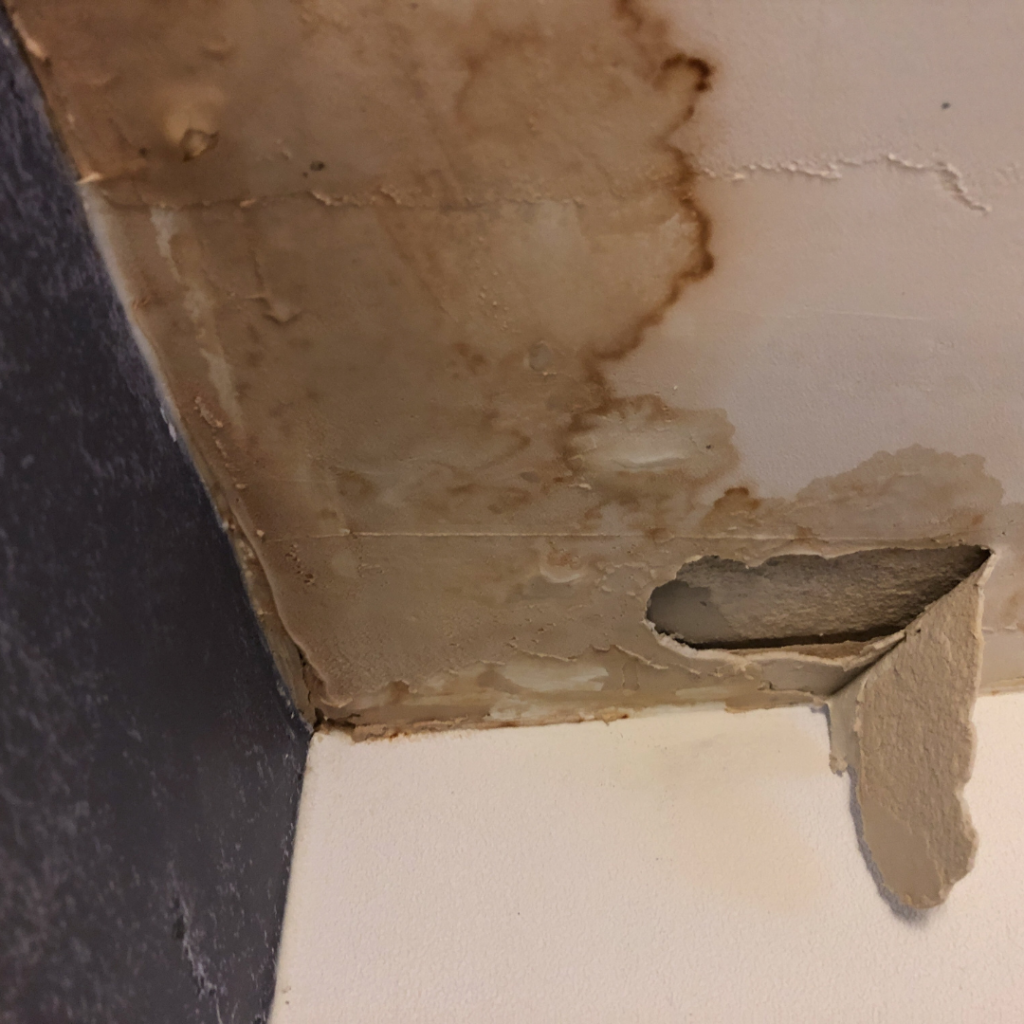
Water can damage drywall, flooring, insulation, furniture, and structural materials. If moisture remains untreated, wood may swell, warp, or deteriorate, and hidden dampness can create conditions that support mold growth. Water near electrical systems can also create a serious safety hazard.
How can Master Restoration help after water damage?
Master Restoration’s IICRC-certified technicians use professional water extraction, moisture-detection, drying, and dehumidification equipment to locate and remove visible and hidden moisture. We can also document the damage, coordinate the restoration process, and communicate with your insurance provider when a claim is involved.
Should I wait for an insurance adjuster before calling a restoration company?
Usually, you should not delay reasonable emergency steps needed to stop the water and prevent additional damage. Document the affected areas, contact your insurance provider promptly, and avoid permanent repairs until you understand your policy requirements and have spoken with your insurer.
What should I do immediately after discovering water damage?
If it is safe, stop the source of the water by closing the appropriate fixture valve or the property’s main water supply. Avoid wet areas near electrical outlets, appliances, or wiring, document the damage, and contact Master Restoration for professional assistance.
What happens during the water damage restoration process?
The process typically begins by stopping the water source and inspecting the affected areas. Depending on the damage, restoration may include water extraction, moisture detection, removal of unsalvageable materials, structural drying, dehumidification, cleaning, mold remediation, and repairs.
Can water damage lead to mold growth?
Yes. Mold can develop when moisture remains in drywall, wood, carpet, insulation, and other materials. Prompt water removal and drying can reduce the risk, while any existing mold must be addressed along with the underlying moisture source.
Mold Remediation FAQs
What causes mold to grow inside a property?
Mold commonly develops when excess moisture remains after a plumbing leak, flooding, roof damage, high humidity, or another water-related issue. Controlling the moisture source is essential because mold can continue returning if the underlying water problem is not corrected.
What should I do if I discover mold in my home or business?
Avoid disturbing the affected area, especially if the growth is extensive or located near ventilation systems. Address the source of moisture and contact an experienced mold remediation professional to evaluate the affected materials and recommend appropriate cleanup steps.
Can mold be present even if I cannot see it?
Yes. Mold may develop behind drywall, beneath flooring, inside crawl spaces, or in other areas where moisture is hidden. Musty odors, staining, previous water damage, or persistent moisture may indicate that further inspection is needed.
What happens during professional mold remediation?
The process generally includes identifying and correcting the moisture source, containing the affected area, removing or cleaning mold-damaged materials, and drying the space thoroughly. Master Restoration provides mold inspection, removal, cleanup, and water-damage services throughout Boise and the Treasure Valley.
Can mold return after remediation?
Mold can return if the moisture problem that caused it is not fully resolved. Proper remediation should address both the visible mold and the underlying source of water or humidity contributing to the growth.
Fire and Smoke Damage FAQs
What should I do immediately after a fire?
Wait until emergency officials confirm that the property is safe to enter. Avoid touching damaged materials, using affected utilities, or attempting extensive cleanup on your own. Contact your insurance provider and a professional restoration company as soon as possible.
What does fire damage restoration include?
Fire damage restoration may include emergency board-up, debris removal, structural cleaning, smoke and soot removal, odor treatment, contents cleaning, water removal from firefighting efforts, and repairs to damaged areas.
Can smoke damage affect areas that were not directly burned?
Yes. Smoke and soot can travel through rooms, wall cavities, ventilation systems, and porous materials. Even areas far from the fire may require professional cleaning and odor treatment.
Why is professional soot removal important?
Soot can be oily, acidic, or abrasive depending on what burned. Improper cleaning may spread residue or permanently stain surfaces, so trained restoration professionals use methods appropriate for each affected material.
Can smoke odors be completely removed?
In many cases, professional cleaning and deodorization can significantly reduce or eliminate smoke odors. The process may involve cleaning affected surfaces, removing unsalvageable materials, treating hidden areas, and using specialized deodorization equipment.
Does fire damage restoration also address water damage?
Yes. Water used to extinguish a fire can soak drywall, flooring, insulation, and structural materials. Restoration may therefore include water extraction, structural drying, and moisture monitoring in addition to fire and smoke cleanup.
Insurance Claims and Restoration Process FAQs
Does Master Restoration work with insurance companies?
Yes. Master Restoration can help document the damage, provide restoration estimates, and communicate with your insurance provider during the claims process. Coverage and claim decisions are determined by your insurance company and policy.
Will my insurance cover property restoration services?
Coverage depends on the cause of the damage and the terms of your policy. Contact your insurance provider as soon as possible to report the loss and confirm your coverage, deductible, and documentation requirements.
What should I document before restoration begins?
When it is safe, take photos or videos of the affected areas and damaged belongings. Keep records of emergency repairs, communications with your insurer, and any expenses related to preventing additional damage.
What happens after I contact Master Restoration?
Our team will gather information about the damage, determine whether emergency response is needed, and inspect the affected areas. We will then explain the recommended cleanup, drying, remediation, or repair process and provide guidance on the next steps.
How long does the restoration process take?
The timeline depends on the type and extent of the damage, the materials affected, drying or remediation requirements, and any repairs needed. After the inspection, the restoration team can provide a clearer estimate based on the property’s condition.
Can restoration begin before an insurance claim is approved?
Emergency steps may need to begin quickly to stop active damage and protect the property. Before authorizing extensive or permanent repairs, confirm the requirements of your insurance policy and maintain documentation of the work performed.
Emergency Restoration and Service Area FAQs
Does Master Restoration provide 24/7 emergency restoration services?
Yes. Master Restoration is available 24 hours a day, 365 days a year for emergency water, fire, smoke, mold, and storm damage restoration. Call (208) 286-1991 for immediate assistance.
What areas does Master Restoration serve?
Master Restoration serves homeowners and businesses throughout Boise, Meridian, Nampa, Caldwell, Eagle, Garden City, Kuna, Star, and surrounding Treasure Valley communities.
Do you restore both residential and commercial properties?
Yes. Master Restoration provides cleanup, drying, remediation, and restoration services for homes, businesses, commercial buildings, and other properties affected by water, fire, smoke, mold, or storm damage.
What information should I provide when requesting emergency service?
Provide your name, property address, contact information, the type of damage, when it occurred, and whether the source of the damage is still active. This helps the restoration team understand the situation and prepare the appropriate response.