Fast and Thorough Response Necessary After Pipes Freeze
The Nampa area experiences winter cold snaps that can turn what seems like a minor household problem — frozen pipes — into a major water-damage emergency. Surprisingly, but true, frozen pipes often delay a dramatic rupture. Typically, small cracks form along a length of plumbing or at connections. A small amount of water begins to seep, slowly at first. Minute amounts of water leak into concealed areas and building cavities, unnoticed until damage is already well underway. Standing water appears after building materials experience damage.
Pipe Freezing Basics
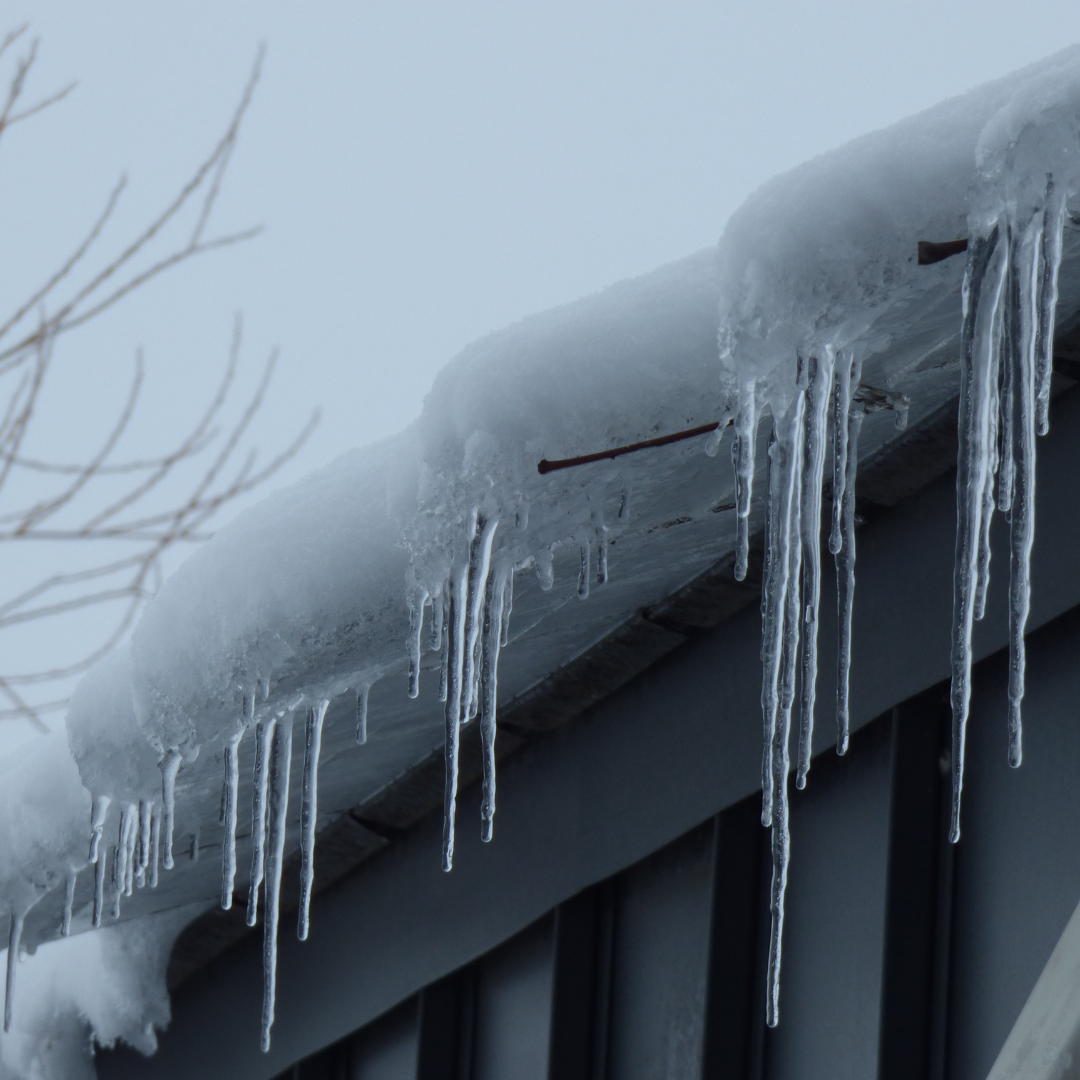
Pipes freeze when temperatures fall below 32 degrees F. Water is unique in that it expands rather than contracts during cooling. Freezing conditions occur in homes with inadequate insulation. Directing pipes through unheated areas obviously increases the risk. The expansion creates pressure that stresses the pipe walls until they split or joints loosen. Early water damage is often undetectable.
The real problem occurs when temperatures rise, and the ice melts, causing water to seek an outlet. Depending on the circumstances and the speed of the warm-up, previously solid fluids may pour out or rupture. At other times, the release occurs more slowly but persistently over a longer period.
Frozen Pipe Damage Lurks in Many Places
A barrier to prompt water damage cleanup from frozen pipes is that the problem areas are hidden. Water follows gravity and framing, soaking insulation, subfloors, and structural materials long before it becomes obvious. If you have concerns that your home needs a frozen pipe water damage evaluation, check the following spots:
- Under kitchen and bathroom cabinets
- Inside closets or along walls that face the exterior
- Beneath flooring and behind baseboards
- In basements, crawl spaces, and foundations
- In garages and detached outbuildings
- Around outdoor faucets and hose bibs
Frozen Pipe Water Damage Cleanup Requirement
Addressing frozen pipe damage is challenging. Master Restoration Idaho recognizes that we must select appropriate equipment, follow research-based melting and water-management protocols, and diligently monitor the affected spaces and materials. A professional response typically includes:
- Sump pumps and high-capacity extractors to remove standing water
- Specialized tools to pull moisture from flooring and tight cavities
- Applied structural drying using air movers and commercial dehumidifiers to facilitate evaporation of absorbed fluids
- Ongoing moisture checks to ensure materials dry thoroughly and safely
Note: Skipping steps or rushing the process can leave behind trapped moisture, increasing the risk of mold growth and long-term structural damage.
Master Restoration Idaho provides trusted water damage cleanup after frozen pipe emergencies in Nampa. Call Master Restoration Idaho at (208) 286-1991 for prompt, professional help to intervene early before harm to building materials becomes permanent.