Mold Remediation in Blackfoot, ID
Professional Mold Remediation Services in Blackfoot
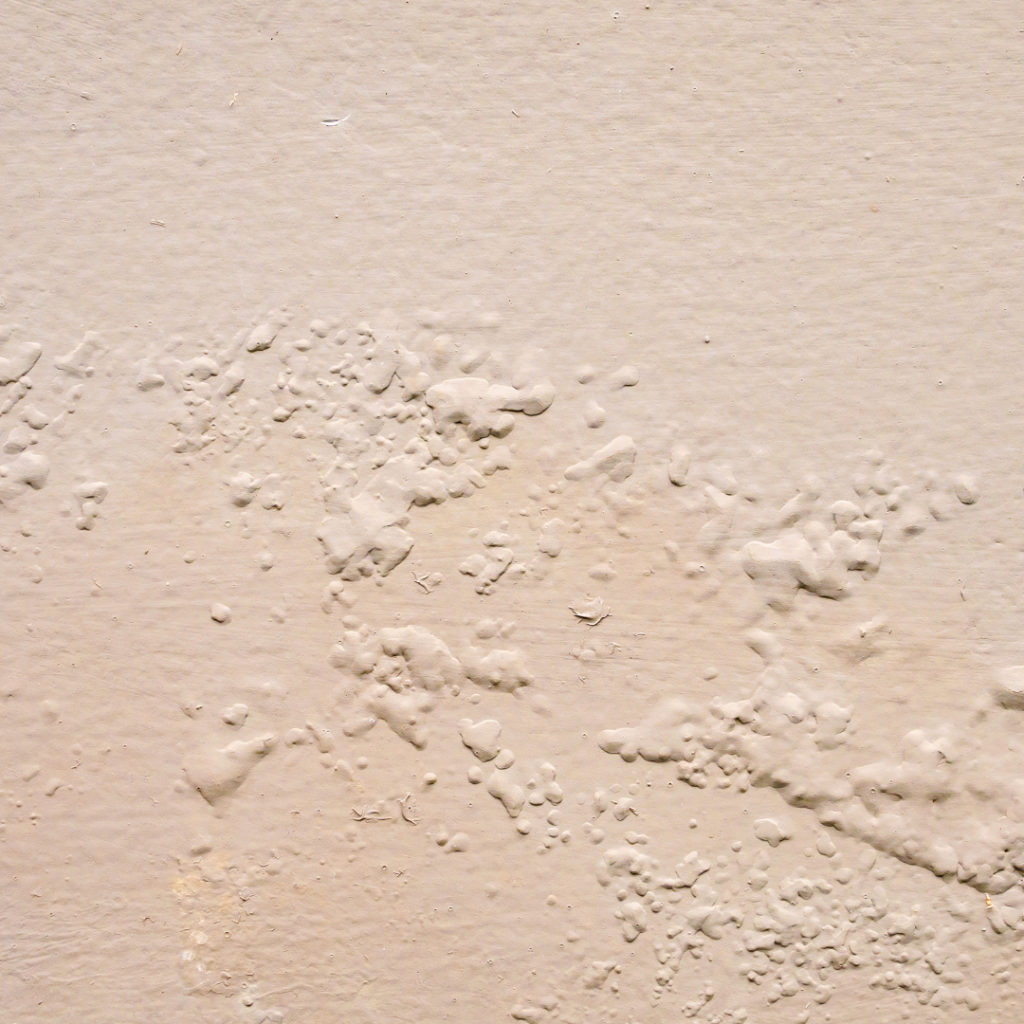
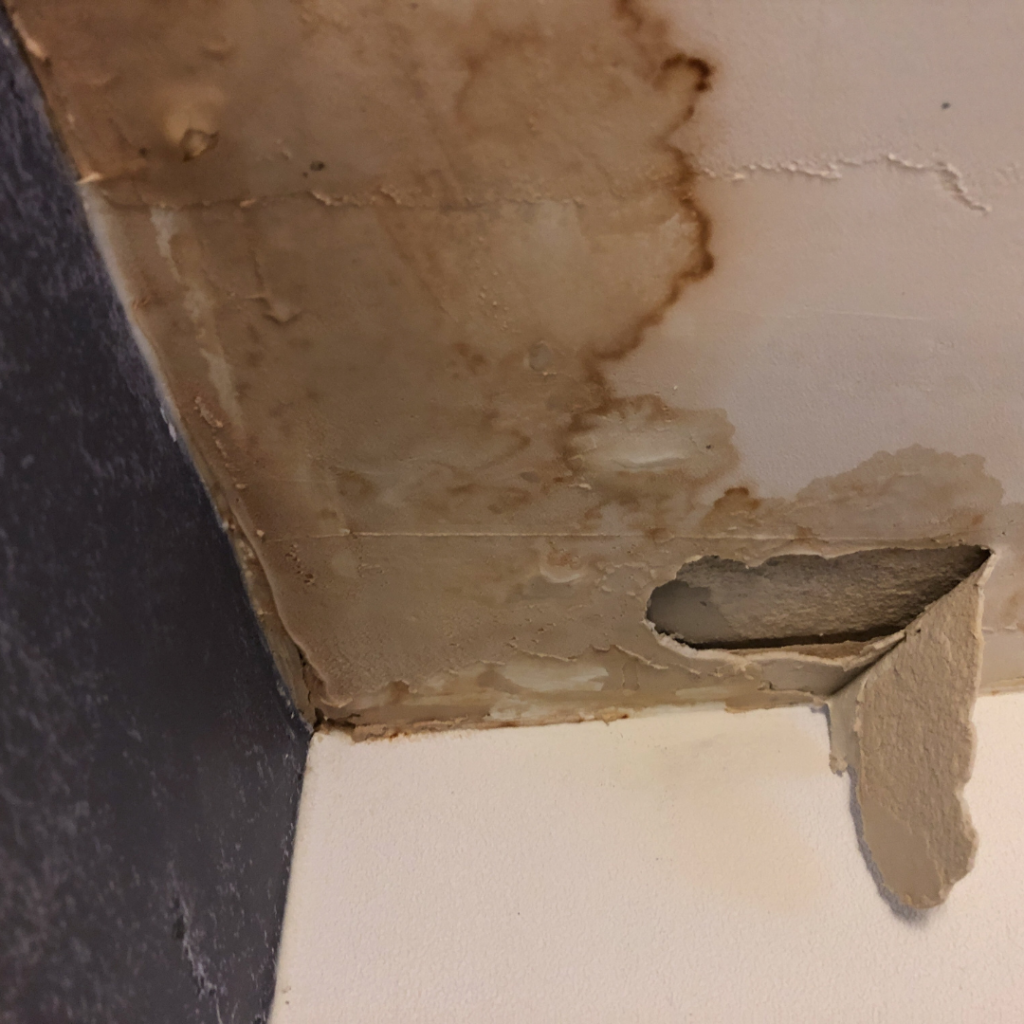
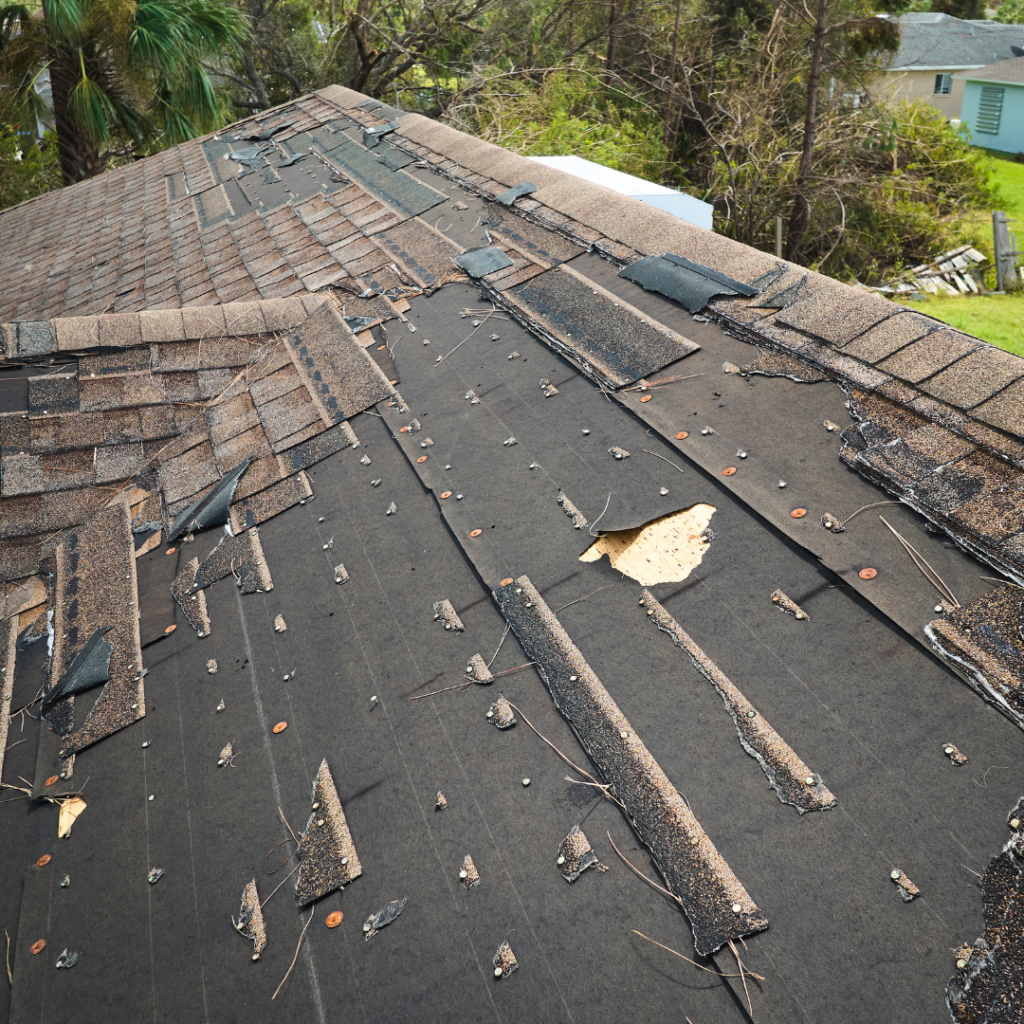
Mold growth can become a serious problem when excess moisture is left untreated. Whether caused by a plumbing leak, flooding, roof damage, condensation, or poor ventilation, mold can spread through drywall, wood, insulation, carpeting, and other building materials if not properly addressed.
Master Restoration provides professional mold remediation services throughout Blackfoot. Our technicians evaluate the affected area, identify moisture-related conditions, contain the work area, remove damaged materials when necessary, clean affected surfaces, dry the structure, and complete repairs to help restore your property.
Blackfoot Mold Removal & Cleanup
Professional mold remediation involves much more than cleaning visible mold. A successful remediation project identifies the source of excess moisture, contains affected areas, removes contaminated materials when necessary, cleans salvageable surfaces, and thoroughly dries the structure before repairs begin.
Because Blackfoot includes a mix of older homes, newer construction, crawl spaces, and basements, every remediation project is different. Master Restoration tailors the remediation plan to the property’s specific conditions and the extent of the damage.
Contact Us Today For A Free Estimate!
We work with all insurances!
No Cost Evaluation
Contact us today for a free assessment!
24/7 Response
We serve residential, commercial, and industrial facilities.
100% Satisfaction
We guarantee and stand by all of our work.
What to Consider When Removing Mold in Blackfoot
Building Permit Requirements
In Blackfoot, mold remediation projects that involve replacing drywall, insulation, or framing may require a building permit, especially when structural repairs are involved. The Building & Safety Department ensures that all restoration work meets up-to-date construction and safety codes. If remediation includes HVAC or electrical components, coordination with state-level permit offices may also be necessary. Master Restoration is familiar with local permitting requirements and can help homeowners understand when permits may be needed during the restoration process.
How Blackfoot’s Environment Affects Mold Remediation
Blackfoot's proximity to rivers, irrigation canals, and agricultural areas can increase moisture concerns for some properties. Crawl spaces, basements, older ventilation systems, and seasonal snowmelt may all contribute to conditions that support mold growth if moisture is not properly controlled. Master Restoration considers these local environmental factors when developing a remediation plan. Our goal is not only to remove mold but also to identify moisture-related conditions that could contribute to future growth and recommend the appropriate restoration solutions.
Insurance Claims Assistance
We’ll help guide you through the claims process and coordinate directly with your insurance provider to streamline your recovery.
What Customers Say About Master Restoration
Posted on Google
 Debbie Simons
Trustindex verifies that the original source of the review is Google.
I was out of town and my son and daughter in law called to tell me of a stinky odor coming from the bathroom. I told them call the plumber. Meridian Plumbing came out but informed them there was 6 inches of water under the house that needed to be cleaned out before they could even see what the problem was. Thank goodness for MASTER RESTORATION, Jason rushed right over and rescheduled some jobs and had a team there that afternoon. His team worked through the night taking care of cleaning up the water and the dirty soil that needed to be removed for safety purposes. Fans were set in place to dry the area and by the next day the plumber was able to come in and assess the damage. I am so grateful to Master Restoration for their assistance, support and speedy response in my time of need. I also am so impressed with the integrity of all their workers. Again, thank you from the bottom of my heart. Debbie SimonsPosted on Google Sarah PerezFriendly, reliable, knowledgeable staff. Quality, timely work. Master Restoration was there for us when we needed help, every step of the way.Posted on Google
 darryl martinI really appreciate the work from Master Restoration. They were recommended to me by my plumber after we discovered several inches of water under the house. Jason and his team arrived very quickly after my call. They investigated the issue, recommended a cleanup plan, provided a time frame, and an estimate. The whole team is friendly and professional. They did great work when I needed it the most. I definitely recommend Master Restoration of Boise!Posted on Google
 Michelle LePageMaster Restoration was a lifesaver for us! Responded so quickly to our leak and got remediation in there next day. Very easy to communicate with as well. Highly recommend!Posted on Google
 Joanna FairchildI recently had mold removal done in my home, and I couldn’t be more impressed with the entire experience. What really stood out was their commitment to doing the job right—not just quickly. They were respectful of my home, kept everything clean, and made a stressful situation feel manageable. I highly recommend their services to anyone dealing with mold issues.Posted on Google
 D RDustin from Master Restoration was prompt and courteous, kind and reliable, going above and beyond the call of duty to help with a black mold problem. What an extraordinary human being and employee!Posted on Google
 Joe BThe guys and gals who worked on our house after a water pipe broke were great. They made a very stressful situation alot less stressful.Posted on Google
 Blubird MWonderful experience with this company. Employees were awesome. Job was done timely and looks great. Thank youPosted on Google
 Dheeraj KankanalaJason and his team at Master Restoration did a fantastic job helping us during a water damage situation at our home. They were responsive, professional, and incredibly supportive during a stressful time. They quickly contained the leak and prevented any further damage. Their workmanship and communication were excellent throught the process. Highly recommend his team to anyone dealing with water damage.Posted on Google
 Kevin AbelMaster Restoration was quick and efficient when I called. They provided same day service for my issue. The team identified any potential issue and left a dehumidifier in our crawlspace for a few days which thankfully solved the problem. They went in and double checked for any other issues and packed up. Would recommend their help for any issues in the future!
Frequently Asked Questions
What does mold remediation involve in Blackfoot homes?
Our mold remediation process begins with a thorough evaluation of the affected area to identify visible mold, moisture intrusion, and damaged materials. Depending on the extent of the damage, remediation may include containment, removal of contaminated materials, cleaning, drying, repairs, and reconstruction. Every project is tailored to the property’s specific conditions.
Is mold dangerous to my health?
Mold exposure can affect individuals differently. Some people may experience allergy or respiratory symptoms, particularly those with asthma or other sensitivities. If you notice visible mold, persistent moisture, or musty odors, it’s a good idea to have the affected area evaluated promptly.
How much does mold remediation cost?
The cost depends on the size of the affected area, the materials involved, accessibility, the source of moisture, and whether repairs or reconstruction are required. Master Restoration provides no-cost evaluations in Blackfoot to help determine the scope of work and provide a project estimate.
What causes mold to grow inside a home?
Mold typically develops when excess moisture is present due to plumbing leaks, roof damage, flooding, condensation, appliance failures, or areas that were not properly dried after water damage. Correcting the moisture source is an important part of the remediation process.
Can mold return after remediation?
Mold can return if the underlying moisture problem is not addressed. Professional remediation focuses on removing damaged materials, cleaning affected areas, and identifying the conditions that allowed mold to grow so future problems can be reduced.